
Travel Tips
Kerala in Monsoon: What to Expect and Whether to Go
By Kerala Munnar Holidays team · Published · Last updated · 5 min read
Reviewed by the Kerala Munnar Holidays team.
Quick answer
Kerala in monsoon, roughly June to September, is green, misty and quieter, with full waterfalls and often lower hotel rates. The downsides are heavy rain, slower hill roads, rough seas with no swimming and some closed trails or parks. It suits flexible travellers who enjoy slow days and rain.
At a glance
| Main monsoon | Roughly June to September |
|---|---|
| Wettest months | Often June and July |
| Best for | Greenery, waterfalls, quiet stays |
| Not ideal for | Beach swimming, long treks, tight schedules |
| Rates | Often lower; check current rates |
| Pack | Rain jacket, quick-dry clothes, spare shoes |
Kerala in monsoon divides opinion. Some travellers find it the most beautiful time of year; others spend the trip wishing the rain would stop. The southwest monsoon usually arrives in early June and stays until about September, with June and July often the wettest. This guide gives the honest pros and cons so you can decide.
Weather varies from year to year, and heavy-rain alerts can change plans at short notice. Check the forecast and local advisories close to your dates and confirm before travel.
What is Kerala in monsoon really like?
Expect rain most days, sometimes all day, sometimes in heavy bursts with dry spells in between. The light is soft, the hills turn an intense green and mist comes and goes. Rivers and waterfalls are full. Roads are quieter, and towns move at a slower pace.
Humidity is high on the coast and the backwaters. In the hills, it feels cool and damp, and clothes take time to dry.
What are the pros of a monsoon trip?
- Green landscapes, full waterfalls and dramatic skies
- Fewer visitors and quieter roads
- Often lower hotel and houseboat rates
- Cosy resort days with books, food and views
- Many resorts run monsoon Ayurveda programmes
For couples and travellers who enjoy slow days, the monsoon can feel more personal than the busy season. Views appear and disappear through the clouds, and a cup of tea on a covered balcony becomes the main event. Resort staff also tend to have more time for guests in the quieter months.
What are the cons?
- Heavy rain can delay drives and close hill roads for a time
- Some trails, viewpoints and parks may close for safety
- The sea is rough and swimming is generally not advisable
- Leeches on forest paths after rain
- Clothes and shoes stay damp
- Some beach cafés close for the season
| Place | What it is like | What to know |
|---|---|---|
| Munnar | Misty, green, cool | Views come and go; roads slower |
| Thekkady | Lush forest | Leeches; activities may change |
| Alleppey and Kumarakom | Dramatic skies | Cruising may be cut short |
| Varkala and Kovalam | Rough sea, quiet | No swimming; some places shut |
| Athirappilly | Waterfall at full power | Viewing areas may be restricted |
Is it safe to travel in Kerala during the monsoon?
For most trips, yes, with sensible planning. Follow official weather alerts, avoid driving hill roads at night, stay away from rivers and the sea when warnings are in place and keep a flexible itinerary. Your hotel and driver will know which roads are slow. If a red alert is issued, stay put and wait for it to pass. Travel insurance that covers weather delays is worth considering for a monsoon trip.
Can you take a houseboat in the monsoon?
Usually, yes. Many couples love the backwaters under dark skies. Boats run in most weather, but operators may shorten cruising or keep boats moored in heavy rain or strong wind for safety. Choose a boat with a covered deck and ask about the plan if the weather turns.
For more on boats, read our Alleppey houseboat guide for couples.
What does a rainy day in Kerala look like?
Often, it starts with a grey morning and steady rain, followed by a break around midday when the clouds lift and the hills reappear. Many travellers use those breaks for a short viewpoint stop, a tea estate walk or a drive to a waterfall, then spend the afternoon indoors with a massage, a long lunch or a book. Evenings are usually quiet and early. Planning one or two outings a day, rather than a full list, keeps a monsoon trip enjoyable.
What should you pack for a monsoon trip?
- A light rain jacket and a compact umbrella
- Quick-dry clothes and extra socks
- Shoes with grip, plus a spare pair
- Leech socks for forest walks
- A waterproof pouch for phones and documents
Pack wet clothes in a separate bag so the rest of your luggage stays dry between stops. Most hill resorts offer laundry, but clothes take longer to dry in the monsoon, so pack a few extra sets.
If you plan to visit an Ayurveda resort or a houseboat, ask in advance whether they provide umbrellas and towels for guests. Many do, which saves space in your bag. A small hand towel and a pack of tissues are useful for wiping wet seats and car windows on drives between places.
Who will enjoy Kerala in monsoon?
- Couples who want quiet and do not mind rain
- Travellers with flexible plans
- Anyone interested in an Ayurveda programme
- Photographers who like mist and moody light
It suits less well if you want beach swimming, long treks, or a tight schedule with fixed sightseeing every day.
How should you plan a monsoon trip?
- Choose fewer places and stay longer in each
- Pick stays you will enjoy indoors, with covered balconies
- Keep one buffer day before your flight home
- Pack a rain jacket, quick-dry clothes and spare shoes
- Carry leech socks for forest walks
- Check current rates; many are lower in this season
Many Ayurveda resorts run monsoon programmes. If that interests you, ask the doctor on arrival which treatments suit your stay. These are restorative programmes, not medical care: speak to your own doctor before booking. Ayurveda does not replace medical treatment.
Our Kerala monsoon special is built around flexible days, and the Kerala Ayurveda packages page lists programmes that run in the rainy months.
Still deciding? See the month-by-month best time to visit Kerala.
Plan this trip
Send your dates and we'll reply with ideas and a clear quote.
Frequently asked questions
Is Kerala in monsoon worth visiting?
It can be, if you enjoy rain, greenery and quiet. Waterfalls are full, roads are less crowded and hotel rates are often lower. If you want beach swimming, long treks or a fixed sightseeing schedule, the drier months from October to March will suit you better.
Which month of the monsoon is best for Kerala?
Late August and September are often a little lighter than June and July, and they bring Onam celebrations and boat races in some years. Rain varies every year, so there is no guarantee. Check the forecast close to your dates and keep a flexible plan.
Can we visit Munnar in the monsoon?
Yes. Munnar is misty and very green in the monsoon, with full waterfalls and cosy evenings. Views can disappear in cloud, hill roads are slower and some trails or parks may close. Allow extra driving time and choose a resort with a covered balcony and good views.
Can we swim at Kerala beaches during the monsoon?
Generally no. The sea is rough and currents can be strong from roughly June to September, and lifeguards often advise people to stay out of the water. Enjoy the beach from the sand or a cliff-top café and follow all local warnings.
Are hotels cheaper in the Kerala monsoon?
Rates are often lower during the monsoon, especially at hill and beach resorts, except around festival dates such as Onam. Houseboat rates can also drop. Rates change every year, so check current rates for your dates and compare a few options before booking.
Related packages
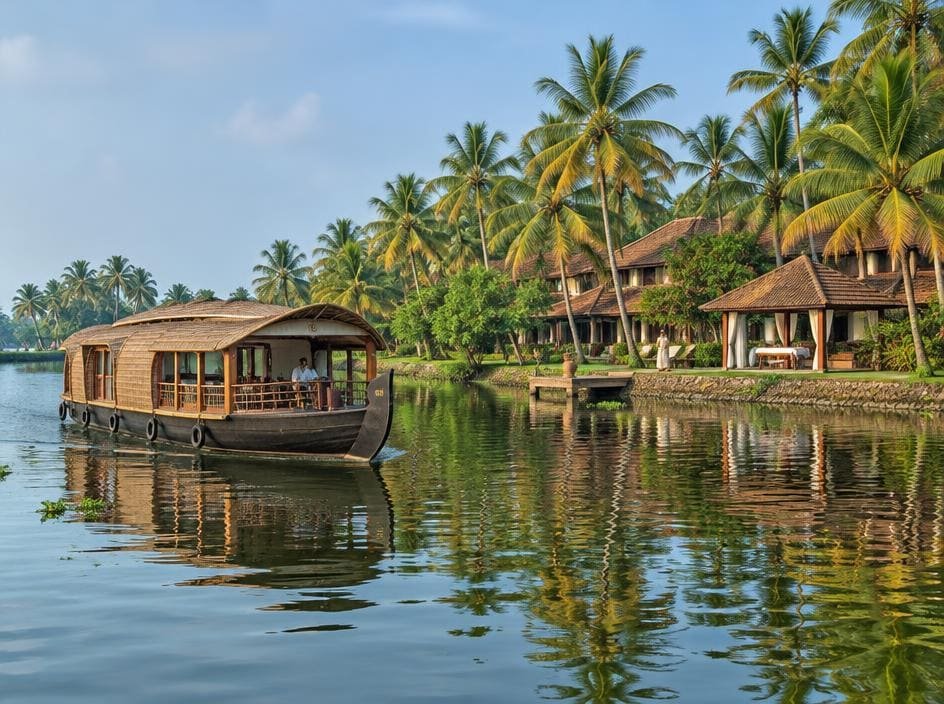
From₹19,999
5N / 6DAyurveda + Backwaters – 5 Nights
Kumarakom · Alleppey
- Ayurveda resort, all meals
- Doctor consultation
- Daily treatments
Starting price per person
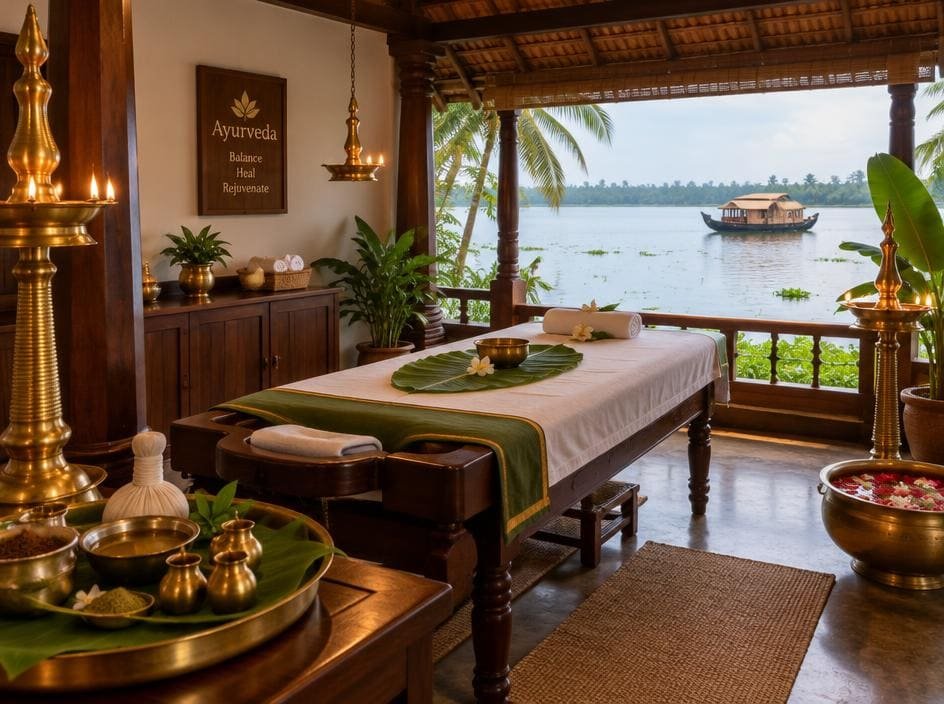
From₹15,999
4N / 5DKumarakom Ayurveda Retreat
Kumarakom
- Lakeside Ayurveda resort
- Daily treatment & yoga
- All meals (Ayurvedic diet)
Starting price per person


More articles

Travel Tips
What to Pack for Munnar
Cool mornings, warm afternoons and sudden showers. A simple packing list that works for Munnar in any season.
Travel Tips
Best Time to Visit Kerala: Month-by-Month Guide
Kerala changes a lot through the year. What each month is like in the hills, on the backwaters and at the beach, and how to choose.
Travel Tips
Kerala Trip Cost: Budget, Standard and Luxury
How budget, standard and luxury Kerala trips differ, what pushes the cost up or down, and live starting prices from our own packages.


